
Someone looks at your horoscope, says there’s a dosha, and suggests a parihara pooja. Most people nod along without really knowing what it is, what it’s meant to correct, or whether they need one at all. This guide explains it in plain terms so you can decide with clarity instead of pressure.
At Maa Kamakhya Astro Centre in Rajarajeshwari Nagar, Bengaluru, this is one of the most common questions families ask before booking a ritual.
What Parihara Pooja Means
Parihara means remedy or correction. A parihara pooja is a ritual performed to reduce the effect of a specific planetary affliction or dosha found in your birth chart. It isn’t a general prayer. It’s targeted at one identified problem.
Think of it the way you’d think of a prescription. A doctor doesn’t hand out the same medicine to everyone who walks in. In the same way, the ritual, the deity, the mantra count and the timing all change depending on what your chart shows.
When a Parihara Pooja Is Usually Suggested
A parihara pooja is recommended when a specific dosha is confirmed in the horoscope and is actively affecting a part of your life. Some of the common situations:
Step 1: Kaal Sarp dosha, when all planets fall between Rahu and Ketu, often linked to repeated obstacles despite real effort.
Step 2: Manglik dosha, when Mars sits in the 1st, 4th, 7th, 8th or 12th house and marriage matching keeps breaking down.
Step 3: Pitra dosha, linked to unfulfilled obligations towards ancestors, often showing up as recurring problems across generations.
Step 4: Sarpa dosha or Naga dosha, traditionally associated with delays in childbirth and family matters.
Step 5: A difficult mahadasha or Shani Sade Sati, where a Navagraha shanti or planet specific ritual is suggested for the duration.
Step 6: Vastu related doshas in a home or workplace, where a shanti ritual is done alongside physical corrections.
How an Astrologer Decides If You Need One
A proper decision comes only after the full chart is studied. The astrologer checks the planetary positions, the running dasha, the current transits and whether the dosha is cancelled by other factors in the chart.
That last point matters a lot. Many doshas, including Manglik dosha, get cancelled under certain conditions. If the cancellation applies to you, no ritual is needed, and a genuine astrologer will tell you so. A parihara pooja suggested without a chart reading is a red flag, not a remedy.
What Happens During a Parihara Pooja
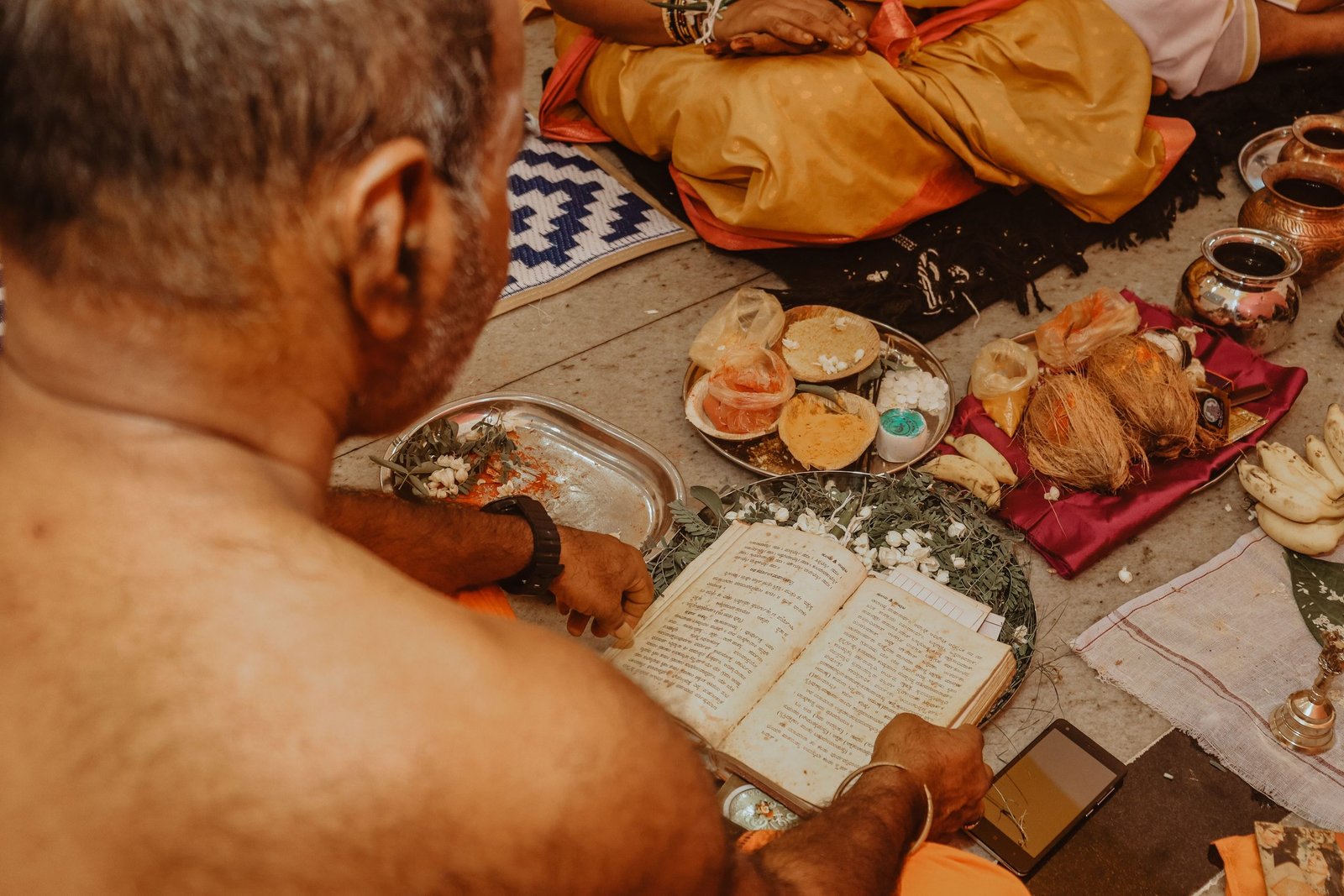
The structure varies by dosha, but the broad flow is similar. A date and muhurat are fixed based on your chart and the lunar calendar. A sankalpa is taken, where your name, nakshatra and the purpose of the ritual are stated.
The main part involves mantra chanting for the planet or deity concerned, often with a homa where offerings are made into the sacred fire. The ritual closes with an aarti and prasad, and the family usually participates directly.
Some poojas finish in a couple of hours. Others, like certain Kaal Sarp rituals, are performed at specific temples or on specific days, and the astrologer will tell you if travel is involved.
What a Parihara Pooja Can and Cannot Do
Be clear about this part, because it’s where most disappointment comes from. A parihara pooja is meant to reduce resistance and bring mental steadiness during a difficult planetary period. It supports your effort. It doesn’t replace it.
No ritual guarantees a particular job, a particular person or a fixed date for marriage. Anyone promising that is overselling. On medical matters, treat it as support alongside proper treatment, never as a substitute. Honest practitioners say this upfront.
Questions to Ask Before You Book
A few straightforward questions will tell you whether you’re dealing with a serious practitioner:
Step 1: Which exact dosha is this parihara pooja for, and where does it show in my chart?
Step 2: Is the dosha cancelled by any other placement?
Step 3: What is the ritual expected to help with, and over what period?
Step 4: What is the full cost, including materials, and is anything else likely to be suggested later?
Step 5: Do I need to be present, and are there any observances before or after?
If the answers are vague, or if the conversation leans on fear, step back. Urgency is a sales tactic, not an astrological requirement.
Things to Keep in Mind After the Ritual
Follow whatever simple observances you’re given, such as a fast on a particular weekday, a mantra to chant daily, or a donation to make. These carry the effect forward and cost very little.
Give it time. A planetary period doesn’t shift overnight, and the honest answer is usually a few months rather than a few days. Keep doing the practical work too, whether that’s job applications, medical follow ups or family conversations.
Getting a Parihara Pooja Done in Bengaluru
Maa Kamakhya Astro Centre in Rajarajeshwari Nagar performs parihara poojas and traditional rituals under the guidance of Sri Raghavendra Guruji, who has close to three decades of experience in Vedic astrology and ritual practice.
Every ritual begins with a full horoscope reading. If your chart doesn’t call for one, you’ll be told that directly. Costs and requirements are explained before anything is scheduled.
Conclusion
A parihara pooja is a targeted remedy for a confirmed dosha, not a general purpose fix for a bad phase. Get the chart read first, ask what the dosha is, check whether it’s cancelled, and understand what the ritual is meant to support. Done that way, it becomes a considered decision rather than something you were talked into.
If you’d like your horoscope checked before deciding, book a consultation with Maa Kamakhya Astro Centre in Rajarajeshwari Nagar, Bengaluru.