
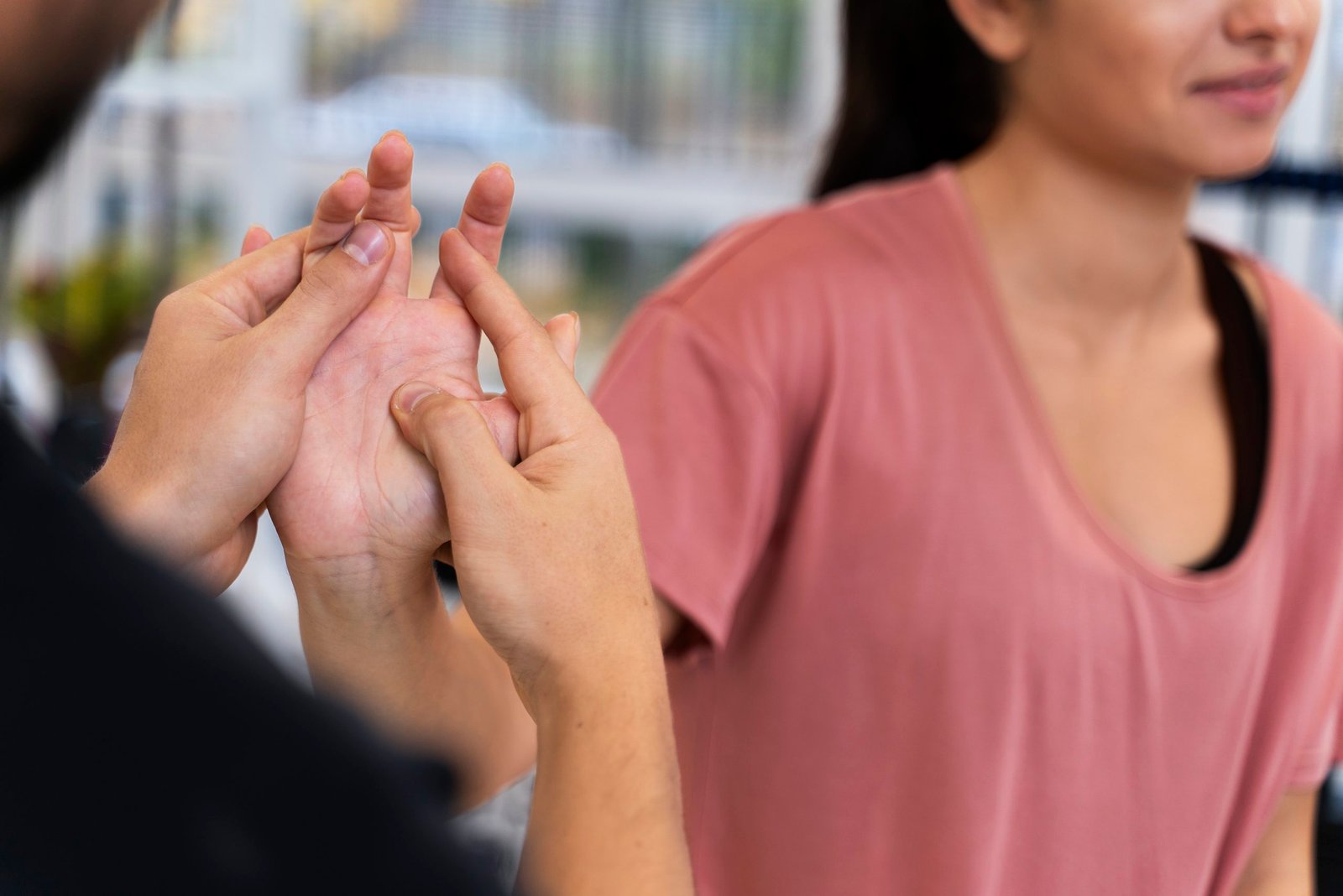
The life line is one of the first things people look for when they hear about palmistry, and it is also one of the most misunderstood. Many assume it predicts how long a person will live, but that is not how it is traditionally interpreted. In palmistry, the life line is read as an indicator of vitality, life energy and the general course of a person’s physical and personal experiences, not a countdown of years.
Here is what the life line traditionally represents, and what palm readers look at when studying it.
Where the Life Line Is Located
The life line curves around the base of the thumb, starting near the edge of the palm between the thumb and index finger, and moving down toward the wrist. It is usually one of the most visible lines on the palm.
Length Is Not About Lifespan
A common myth is that a short life line means a shorter life and a long one means a longer life. Traditional palmistry does not treat the line this way. Instead, length is often read in relation to how a person experiences vitality and energy through different phases of life, not as a literal measure of time remaining.
Depth and Clarity
A deep, clearly etched life line is traditionally associated with strong vitality and physical resilience. A faint or shallow line may suggest lower energy levels or a need for more attention to health and rest. Readers also look at how consistent the depth is along the full length of the line.
The Curve of the Line
How widely the life line curves around the thumb is also significant. A line that curves out broadly toward the center of the palm is often linked to enthusiasm, physical energy and an active approach to life. A line that stays close to the thumb may indicate a more reserved or cautious nature.
Breaks in the Life Line
Breaks are one of the most asked-about features. A break does not automatically signal a negative event. In traditional readings, a break is often looked at alongside the rest of the palm to understand whether it points to a significant change, a shift in circumstances or a new phase beginning. Overlapping breaks, where one line picks up close to where the other ends, are generally read differently than a clean gap.
Chains and Islands
A chained or island-marked section of the life line is traditionally associated with periods of lower energy, stress or health-related concerns during that phase. These markings are usually read as temporary patterns rather than fixed outcomes.
Forks and Branches
Small branches rising upward from the life line are often linked to positive developments, opportunities or growth during that period. Branches that trend downward are sometimes read as periods requiring more caution or care.
Reading the Life Line Alongside Other Lines
The life line is rarely interpreted on its own. Traditional palmistry looks at it together with the head line, heart line and fate line, along with the overall shape of the hand, to build a fuller picture. This is also why palmistry readings are often combined with Vedic Astrology and Kundli analysis, since both are traditionally used together to understand a person’s path more completely.
A Note on Interpretation
Palmistry offers traditional interpretations and perspective. It is not a guarantee of specific outcomes, and it works best as a tool for reflection and guidance rather than prediction. If you would like a personalized reading that looks at your palm alongside your birth details, you can book a consultation with Maa Kamakhya Astro Center.